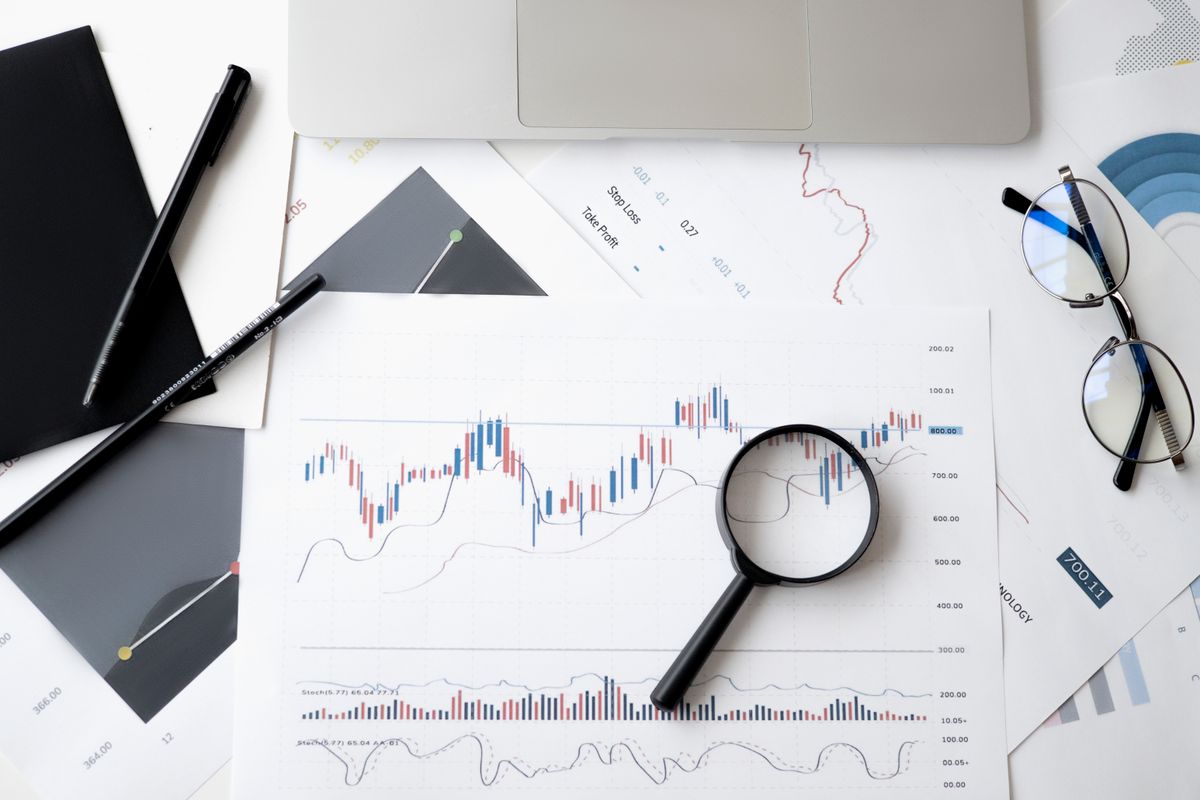
Read an economic forecast without treating it as a shopping signal
The IMF's July 2026 update identifies both war-related risks and the influence of technology demand. Forecasts bring assumptions together; they do not tell an individual household exactly when to buy a laptop or replace a refrigerator.
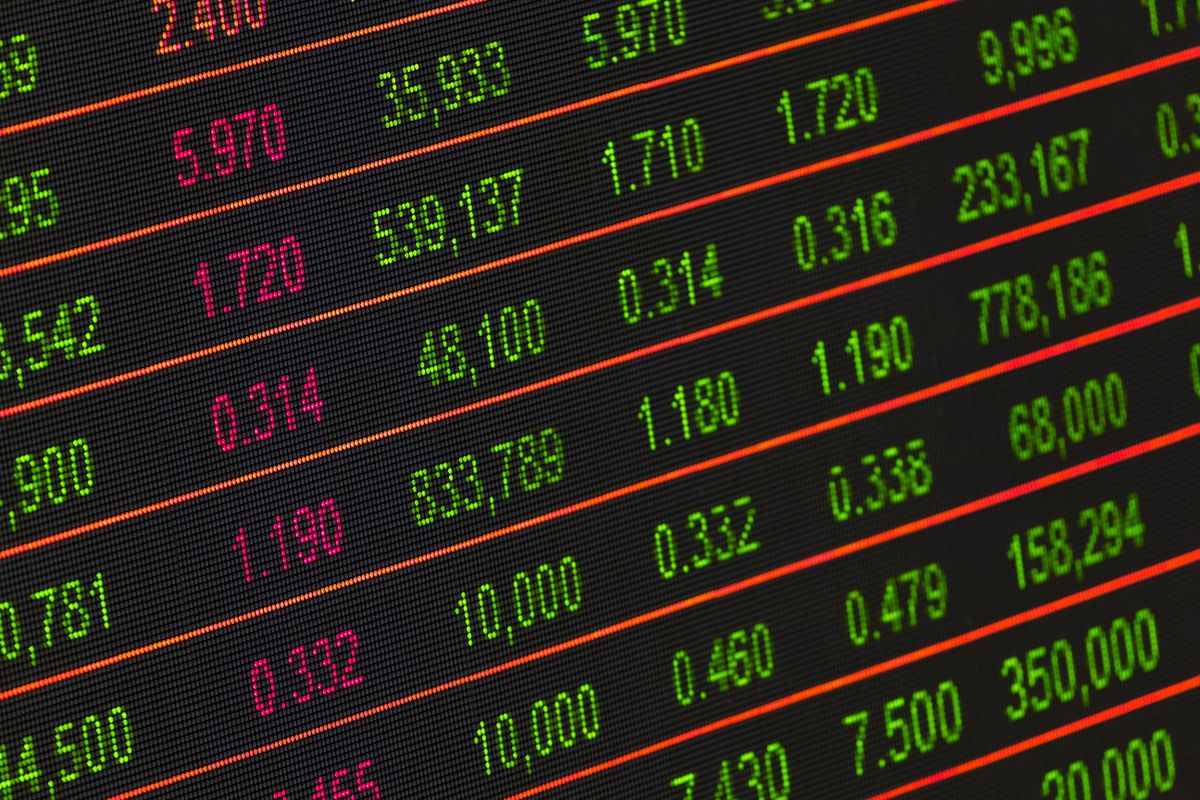
Separate the measures
Growth, inflation and interest rates describe different things. A growing economy can still have expensive essentials, while lower inflation does not necessarily mean prices have returned to an earlier level. Read the definition, location and time period attached to a headline number.
Look for the revision
When a new forecast is released, compare it with the earlier forecast rather than with last year's actual outcome alone. Ask what changed in the assumptions. Keep the publication date in view; an old chart shared on social media can look like new information without being new.
Translate cautiously
For personal planning, use a range of plausible costs and preserve room for an unexpected expense where possible. A business can consider a slower-sales scenario alongside its central plan. Avoid borrowing, investing or rushing a major purchase solely because one forecast looks reassuring. The useful role of a forecast is to frame uncertainty and prompt questions. Personal financial decisions require your own circumstances and, where appropriate, professional advice.
Sources & further reading
Source material and official guidance. Original practical suggestions are editorial content, not statements from the organisations below. Checked September 9, 2026.
Have a correction or a question about this article? Contact the editorial team. Read our editorial policy and disclaimer.