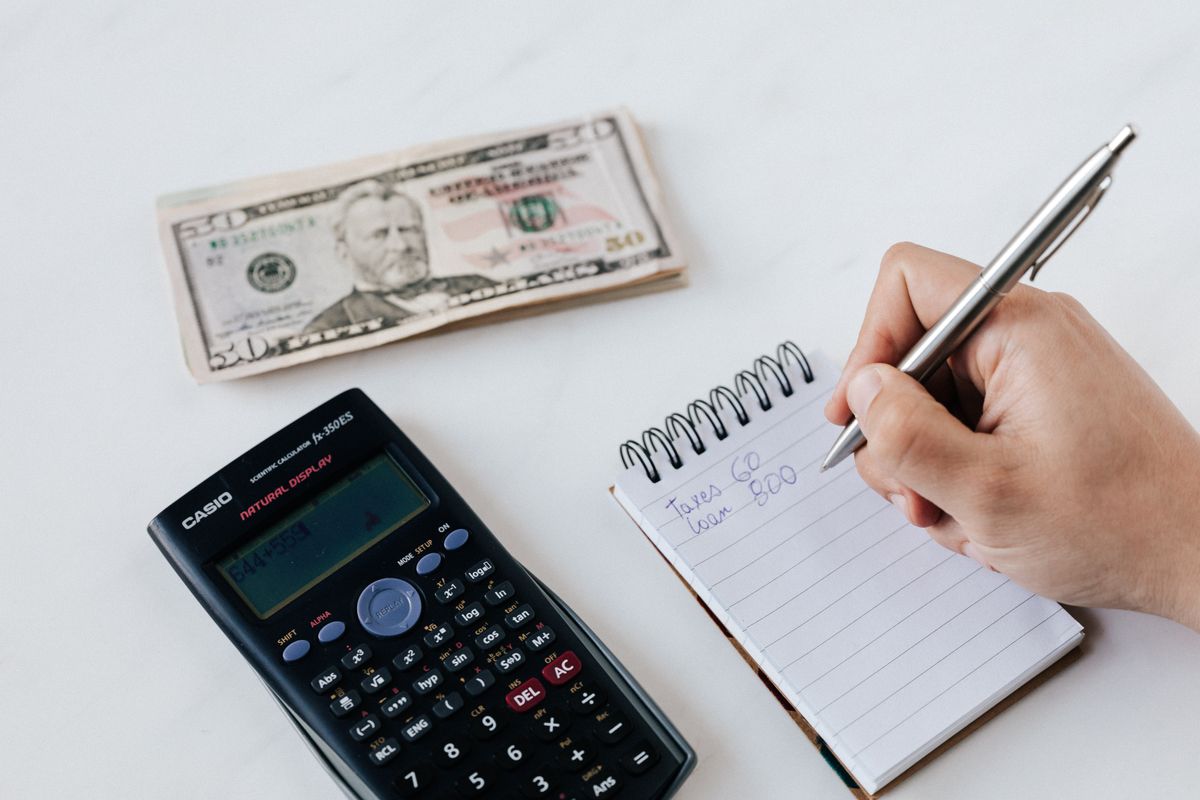
Build a grocery price book in fifteen minutes
A grocery price book is a short record of what your regular staples cost. Its value comes from comparing the same quantity, not from collecting every receipt or predicting next month's food prices.
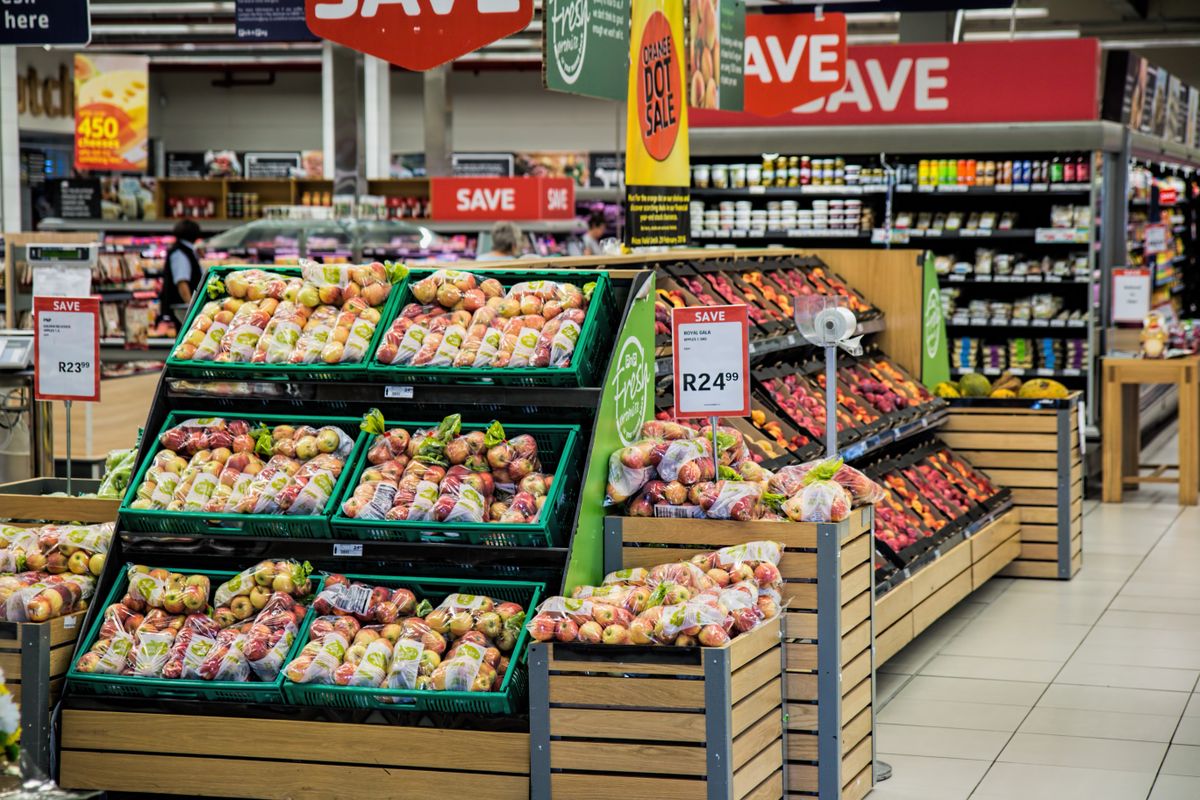
Choose a manageable basket
Start with five items you buy often: perhaps oats, rice, beans, milk and cooking oil. Record the store, date, package size and price. Convert each to a unit that makes sense, such as a kilogram or litre. Keep brand differences visible if they matter to you instead of treating every product as interchangeable.
Use a simple example
A 750-gram bag for 3 costs 4 per kilogram. A one-kilogram bag for 3.60 is cheaper by weight, but only useful if you will use it. This hypothetical calculation works in any consistent currency. Storage space, dietary needs and the risk of waste still belong in the decision.
Review without chasing every deal
After a few shopping trips, you will have a personal reference range. Use it to recognise a worthwhile offer or to choose an alternative staple. Avoid making a long extra journey for a tiny saving without counting transport and time. The notebook should make shopping calmer and quicker. If maintaining it becomes a chore, reduce the list to the three products that affect your budget most.
Have a correction or a question about this article? Contact the editorial team. Read our editorial policy and disclaimer.