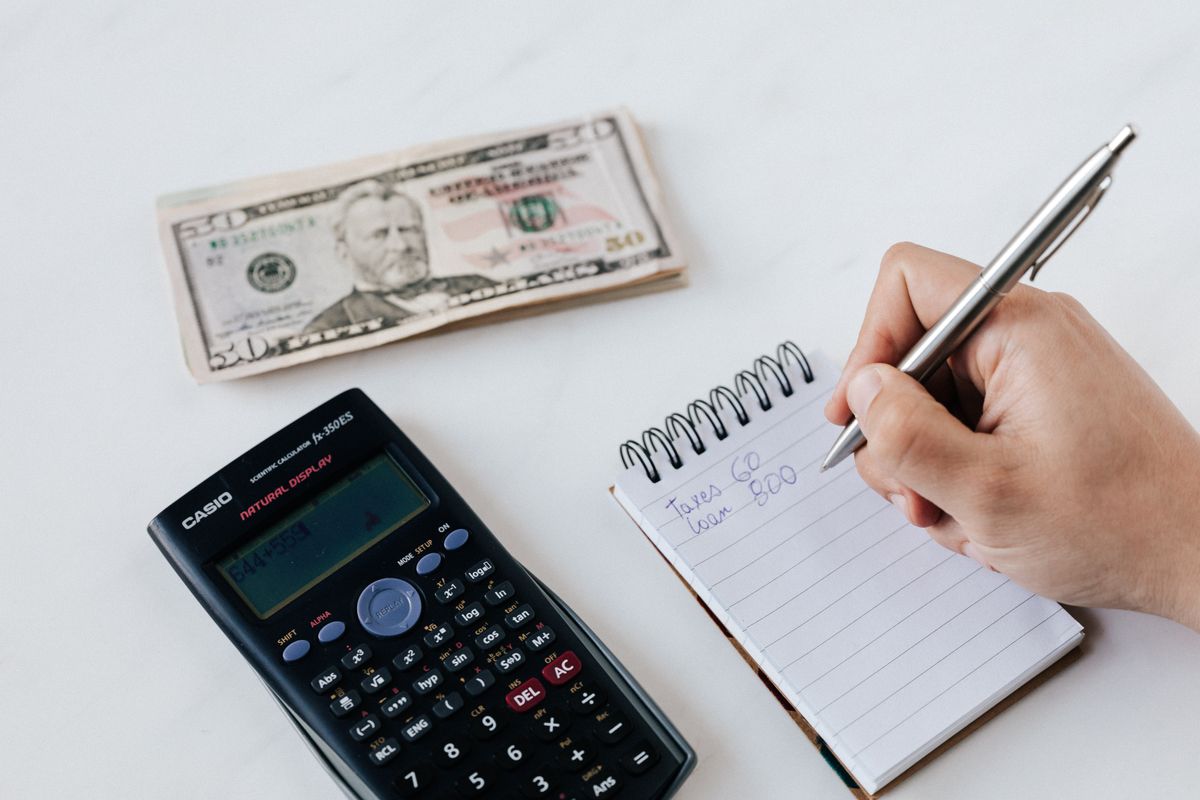
Create a household replacement fund without a complicated app
Some expenses are irregular without being surprising. Shoes wear out, small appliances fail and annual renewals arrive. A replacement list makes those costs easier to see before several land in the same month.
Inventory the predictable items
Choose the essentials most likely to need replacement or renewal in the next year. Estimate a reasonable cost for a suitable option, not the most expensive upgrade. Record what you already have set aside. Estimates are planning aids and should be updated when you obtain an actual quote.
Turn estimates into a schedule
If a hypothetical 120 expense is expected in six months, setting aside 20 a month would cover it if the estimate and timing hold. If that amount is not affordable, the list still helps you compare alternatives, delay a nonessential upgrade or plan a smaller contribution. Do not treat the schedule as a reason to miss necessary current bills.
Keep the money distinguishable
Use a labelled balance or a simple note in your existing budget rather than opening products you do not understand. Revisit the list after a purchase or a change in income. The purpose is visibility, not perfect prediction. A modest reserve for a known expense can be useful even when it does not cover every possible emergency.
Have a correction or a question about this article? Contact the editorial team. Read our editorial policy and disclaimer.